
Overcoming Dizziness: Strategies for Improved Balance

Updated: Jun 5
Introduction
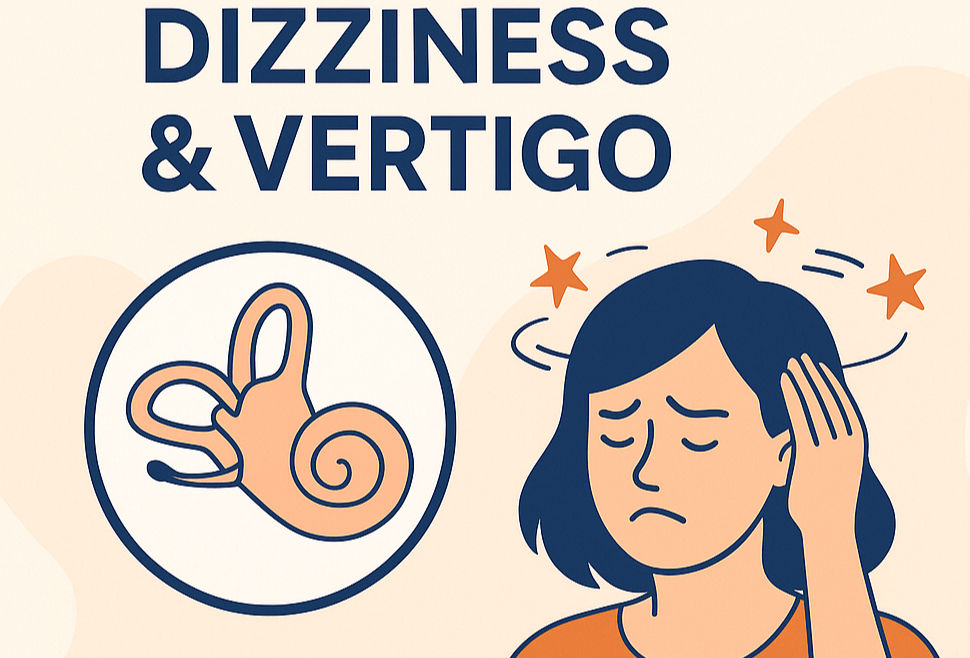
Dizziness is one of the most common presenting symptoms in primary care and emergency medicine, accounting for approximately 3% of emergency department visits and 6% of general medicine clinic visits in the United States, with an annual cost exceeding $4 billion.¹ It encompasses a range of sensations including lightheadedness, unsteadiness, and vertigo. Dizziness is associated with an up to 12-fold increase in the risk of self-reported falls, making effective management essential for patient safety and quality of life.² This review summarizes the evidence-based causes of dizziness and practical strategies for improving balance.
Understanding Dizziness: A Modern Diagnostic Framework
Dizziness is a nonspecific term that patients use to describe several symptoms ranging from true vertigo to lightheadedness, disorientation, or a sense of imbalance.³ Traditionally, dizziness was divided into four categories — vertigo, presyncope, disequilibrium, and lightheadedness — but this distinction has limited clinical usefulness because patients have difficulty reliably describing the quality of their symptoms.⁴ The modern diagnostic approach uses the TiTrATE framework (Timing, Triggers, and Targeted Examination) to classify patients into presenting syndromes based on when symptoms occur and what provokes them, rather than relying on symptom quality.⁵˒⁶
This approach classifies patients into three presenting syndromes⁶:
- Acute vestibular syndrome (AVS): continuous dizziness or vertigo lasting longer than 24 hours.
- Spontaneous episodic vestibular syndrome (s-EVS): discrete episodes of untriggered dizziness.
- Triggered episodic vestibular syndrome (t-EVS): brief episodes provoked by positional changes.
Common Causes of Dizziness
Inner Ear Disorders
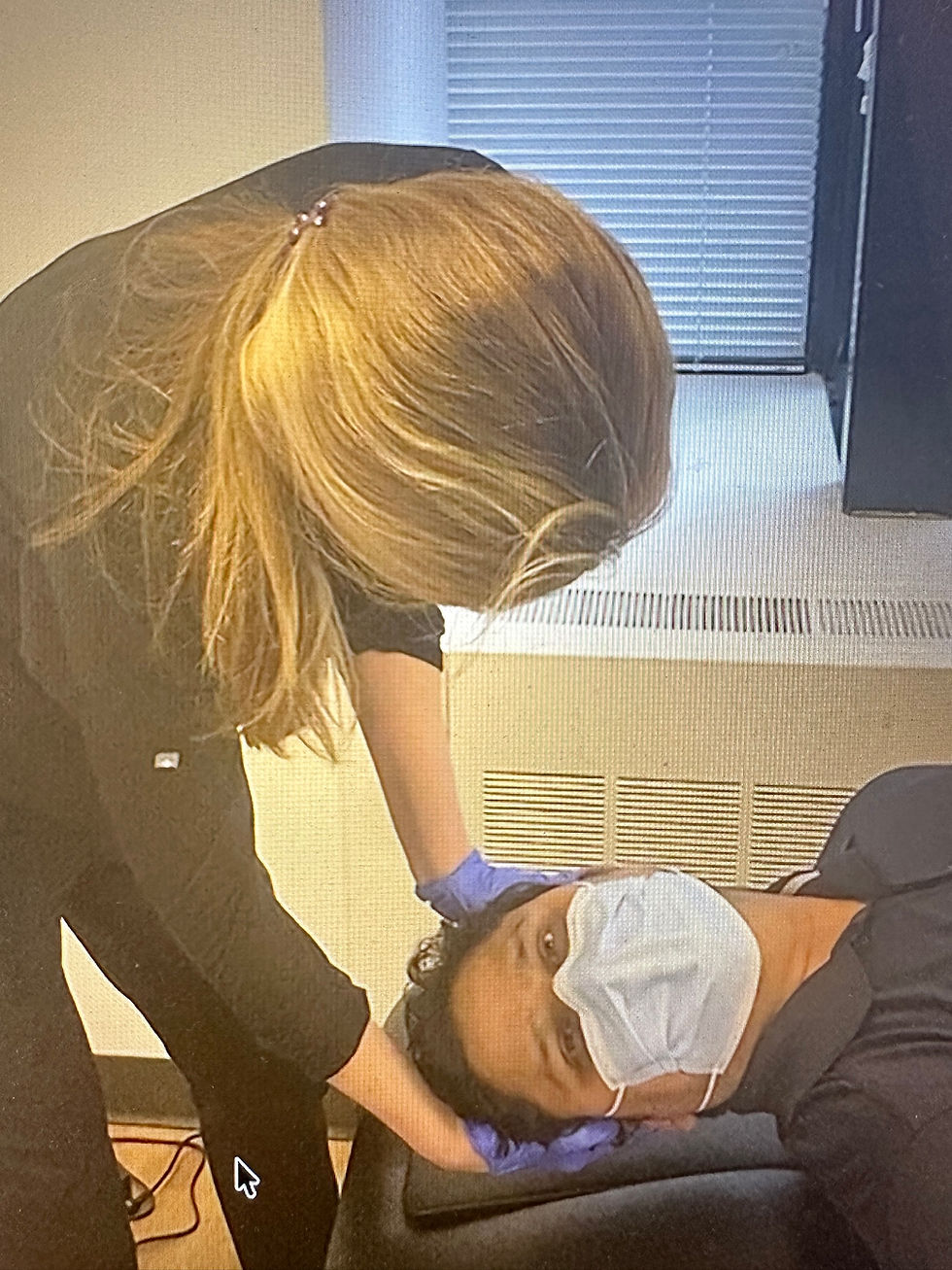
Benign paroxysmal positional vertigo (BPPV) is the most common peripheral cause of vertigo, resulting from displaced otoconia (calcium carbonate crystals) in the semicircular canals.⁵ It presents as brief episodes of spinning vertigo provoked by changes in head position. The Epley maneuver (canalith repositioning procedure) is the first-line treatment, resolving BPPV in 88%–98% of patients, with a number needed to treat of 3.⁷˒⁸ Vestibular suppressant medications such as meclizine are not effective for BPPV and should be avoided, as they interfere with central vestibular compensation and increase fall risk.⁵˒⁷
Meniere disease is an inner ear disorder presenting with episodic vertigo, fluctuating sensorineural hearing loss, tinnitus, and aural fullness.⁹ Vestibular neuritis involves inflammation of the vestibular nerve, causing acute, severe vertigo lasting days to weeks.⁴
Orthostatic Hypotension
Orthostatic hypotension (OH) is defined as a sustained reduction in systolic blood pressure of ≥20 mm Hg or diastolic blood pressure of ≥10 mm Hg within 3 minutes of standing.¹⁰ It is very common, affecting approximately one in five community-dwelling adults older than 60 years.¹¹ OH can result from dehydration, medications, cardiac disease, or neurogenic causes such as Parkinson disease and diabetic neuropathy.¹⁰˒¹² Symptoms include dizziness, lightheadedness, blurred vision, weakness, and syncope, and are typically worse in the morning after overnight natriuresis when the patient is plasma-volume-depleted.¹¹ Dehydration worsens orthostatic tolerance and is exacerbated by heat stress.¹³ Rehydration, whether oral or intravenous, should include sodium supplementation for more rapid recovery.¹³
Medication-Related Dizziness
Syncope related to medication is particularly prevalent in older adults with polypharmacy.¹³ Common offending drug classes include antihypertensives, diuretics, alpha-blockers, nitrates, antidepressants, and vestibular suppressants. Cessation or dose reduction of offending medications is usually key for symptomatic improvement.¹²˒¹³
Hypoglycemia
Low blood sugar can cause dizziness, lightheadedness, and presyncope. Maintaining regular meal patterns with balanced macronutrient intake helps prevent hypoglycemia-related symptoms, particularly in patients with diabetes or those on insulin or sulfonylureas.
Anxiety and Persistent Postural-Perceptual Dizziness (PPPD)
Anxiety is increasingly recognized as both a cause and perpetuating factor of chronic dizziness. Persistent postural-perceptual dizziness (PPPD) is a chronic vestibular disorder characterized by persistent non-spinning dizziness, postural instability, and sensitivity to motion and complex visual stimuli.¹⁴˒¹⁵ In the current model of PPPD, anxiety promotes and perpetuates changes in balance function.¹⁶ Cognitive behavioral therapy (CBT) has demonstrated effectiveness in treating PPPD, with significant reductions in both anxiety and dizziness measures over follow-up periods of up to 6 months.¹⁴˒¹⁷ A combined approach of vestibular rehabilitation, body awareness therapy, and CBT addresses the physical, psychological, and social dimensions of chronic dizziness.¹⁸
Evidence-Based Strategies for Improved Balance
Hydration
Adequate hydration is important for maintaining orthostatic tolerance. Dehydration reduces blood volume, leading to lower blood pressure and orthostatic symptoms.¹²˒¹³ For Meniere disease specifically, one study found that abundant water intake was associated with higher rates of complete vertigo resolution compared with controls (RR 1.50; 95% CI, 1.18–1.91), though the evidence was of very low certainty.¹⁹ General fluid intake recommendations should be individualized based on activity level, climate, and comorbidities rather than following a fixed "eight glasses per day" rule.
Dietary Modifications
The evidence for dietary modifications in dizziness management is etiology-dependent:
- Salt restriction: For Meniere disease, the AAO-HNS guideline recommends sodium restriction (≤2,300 mg/day), though no RCTs have demonstrated that sodium restriction prevents Meniere disease attacks. The guidance is based on the hypothesis that reduced sodium intake may decrease endolymphatic fluid pressure.⁹
- Caffeine: A Cochrane review found no RCTs specifically addressing caffeine restriction in Meniere disease. One retrospective study found that 14% of patients with vestibular migraine reported improvement in dizziness upon caffeine cessation alone. Caffeine restriction is commonly recommended for vestibular migraine as part of trigger avoidance, though evidence remains limited.²⁰⁻²²
- Alcohol: No evidence was found to directly support or exclude alcohol restriction for dizziness management. Alcohol can worsen orthostatic tolerance through vasodilation and dehydration.⁹˒²³
These dietary recommendations, while commonly given, are largely based on expert opinion rather than high-quality RCT evidence.⁵˒²⁰
Balance Exercises and Vestibular Rehabilitation
Vestibular rehabilitation therapy (VRT) is a specialized exercise-based approach with moderate to strong evidence supporting its safety and efficacy for unilateral peripheral vestibular disorders.²⁴ A Cochrane review demonstrated that VRT was more effective than control or sham interventions in improving subjective reports of dizziness, participation in life roles, and walking performance, with positive effects maintained at 3–12 months of follow-up.²⁴ There were no reports of adverse effects following any vestibular rehabilitation.²⁴
A large US cohort study found that receiving physical therapy within 3 months of presentation for dizziness was associated with an 86% reduction in the risk of documented falls over 12 months.² Importantly, patients younger than 65 years comprised 71% of patients with dizziness who underwent medical evaluation for a fall, emphasizing that fall prevention should not be restricted to the elderly.²
For BPPV specifically, canalith repositioning maneuvers should be the primary intervention, but combining maneuvers with vestibular rehabilitation produces the best long-term functional recovery.²⁴
Tai Chi
Tai Chi has strong evidence for improving balance and reducing falls in older adults. A meta-analysis of 24 RCTs found that Tai Chi effectively reduced the risk of falls (RR 0.76; 95% CI, 0.71–0.82) and improved multiple balance measures including the timed up and go test, functional reach test, single-leg balance, Berg balance scale, and gait speed.²⁵ The effectiveness increased with duration and frequency of exercise, with Yang-style Tai Chi showing superior results to Sun-style.²⁵
A randomized clinical trial of 670 community-dwelling older adults at high risk of falling demonstrated that a therapeutic Tai Ji Quan intervention reduced falls by 58% compared with stretching exercises (IRR 0.42; 95% CI, 0.31–0.56) and by 31% compared with a conventional multimodal exercise program (IRR 0.69; 95% CI, 0.52–0.94).²⁶ A WHO-informing systematic review of 116 studies (25,160 participants) confirmed that exercise reduces the rate of falls by 23% overall, with Tai Chi specifically reducing falls by 23% (RaR 0.77; 95% CI, 0.61–0.97).²⁷ Interventions with a total weekly dose of ≥3 hours that included balance and functional exercises were particularly effective, achieving a 42% reduction in fall rates.²⁷
The optimal Tai Chi program for balance improvement appears to be the 24-form simplified Yang style, performed 45–60 minutes per session, more than four sessions per week, for at least 8 weeks.²⁸
Assistive Devices
Patients with balance deficits who do not have an assistive device should be encouraged to use a cane, wheeled walker, or both.²⁹ Assistive devices improve biomechanical stabilization, enhance somatosensory input, and reduce loading of the lower limbs.³⁰ However, devices must be properly prescribed and fitted by a professional, as between 30% and 50% of people stop using their mobility devices because they are perceived as difficult or risky to use, and improperly prescribed devices have been associated with a higher risk of falls.³⁰ The top of a cane or walker should be at the height of the wrist crease when the patient is standing upright with arms relaxed at the sides, and a cane should be held contralateral to the affected limb.³⁰˒³¹
Stress and Anxiety Management
Anxiety and stress can both cause and exacerbate dizziness, particularly in PPPD.¹⁶ CBT has shown effectiveness in reducing dizziness handicap, with one study demonstrating that the presence of comorbid anxiety disorders predicted greater improvement in Dizziness Handicap Inventory scores at 6 months after CBT.¹⁷ A combined approach of sertraline plus CBT produced significantly greater reductions in dizziness than sertraline alone at weeks 4 and 8.³² Vestibular rehabilitation combined with CBT principles — including psychoeducation, graded exposure, and behavioral experiments — addresses both the physical and psychological components of chronic dizziness.¹⁵˒¹⁸
For vestibular migraine specifically, lifestyle modifications including improved restful sleep, regular exercise, regulated mealtimes, and avoidance of dietary triggers produced significant improvement in dizziness, with mean improvements of 14.3 points on the Dizziness Handicap Inventory. Improvement in restful sleep was the strongest predictor of improvement in both dizziness and headache symptoms.³³
Sleep
Sleep quality has a direct relationship with dizziness outcomes. In patients with vestibular migraine, participants who reported a larger increase in restful sleep were more likely to report larger improvements in dizziness handicap and headache disability.³³ Sleep deprivation can also exacerbate orthostatic intolerance and impair vestibular compensation. Establishing regular sleep patterns is recommended as part of non-pharmacological prophylaxis for vestibular migraine.²²
Physical Activity
Regular physical activity is crucial for maintaining balance and preventing falls. A WHO-informing systematic review found high-certainty evidence that exercise reduces the rate of falls by 23% in older adults, with balance and functional exercises reducing falls by 24% and multimodal exercise programs by 28%.²⁷ Subgroup analyses showed no evidence of a difference in the effect on falls based on participant age over 75 years, risk of falls as a trial inclusion criterion, individual versus group exercise, or whether a health professional delivered the intervention.²⁷
Environmental Safety
Creating a safe home environment is an important component of fall prevention. The NEJM review on fall prevention recommends a multifactorial assessment that includes evaluation of gait, balance, and strength, as well as home safety modifications.²⁹ Assessment of gait speed, standing balance (side-by-side, semi-tandem, and full-tandem positions), and ability to rise from a chair can identify patients who need physical therapy or assistive devices.²⁹
When to Seek Medical Attention
Urgent evaluation is warranted for dizziness accompanied by any of the following features:
- The "deadly Ds": diplopia, dysarthria, dysphagia, dysphonia, dysmetria, and dysesthesia, any of which suggest a central cause.⁶
- Acute vestibular syndrome with vascular risk factors (hypertension, diabetes, atrial fibrillation, prior stroke).⁶
- Direction-changing nystagmus, negative head impulse test, or skew deviation on HINTS examination.⁵
- New-onset severe headache, limb weakness, or numbness.
- Acute hearing loss, which may indicate anterior inferior cerebellar artery infarction.
- Inability to stand or walk independently.⁶
Up to 25% of patients presenting with acute vestibular syndrome may have a cerebellar infarction, and posterior circulation stroke can mimic benign peripheral vertigo without obvious focal neurologic deficits.¹ Importantly, strokes causing dizziness do not necessarily present with limb ataxia or other focal signs — the HINTS examination is more sensitive and specific than the presence of focal neurologic findings for identifying stroke.⁵
Several common clinical assumptions can lead to missed diagnoses of stroke in dizzy patients⁵:
- "True vertigo implies an inner ear disorder" — clinicians should not rely on symptom quality but should focus on timing and triggers.
- "A negative MRI rules out stroke" — diffusion-weighted MRI can be falsely negative in up to 24% of posterior circulation strokes; repeat imaging at 48 hours should be considered if clinical suspicion remains high.
- "Young patients have migraine rather than stroke" — vertebral artery dissection should be considered in young patients with acute dizziness.
Conclusion
Dizziness is a common, diagnostically challenging condition with a broad differential diagnosis. Evidence-based management requires identifying the underlying etiology through the TiTrATE framework rather than relying on symptom quality. Vestibular rehabilitation therapy has strong evidence for improving balance and reducing falls, with physical therapy within 3 months of dizziness onset associated with an 86% reduction in fall risk. Tai Chi is an effective, low-cost intervention for fall prevention and balance improvement in older adults. Dietary modifications such as salt and caffeine restriction are commonly recommended but lack robust RCT evidence for most etiologies. CBT is effective for anxiety-related chronic dizziness, particularly PPPD. Clinicians should maintain a high index of suspicion for posterior circulation stroke in patients with acute dizziness and vascular risk factors, and should counsel all patients presenting with dizziness on fall prevention strategies regardless of age or specific diagnosis.
1. Gottlieb M, Peksa GD, Carlson JN. Head impulse, nystagmus, and test of skew examination for diagnosing central causes of acute vestibular syndrome. Cochrane Database Syst Rev. 2023;11:CD015089. doi:10.1002/14651858.CD015089.pub2
2. Marmor S, Karaca-Mandic P, Adams ME. Use of physical therapy and subsequent falls among patients with dizziness in the US. JAMA Otolaryngol Head Neck Surg. 2023;149(12):1083-1090. doi:10.1001/jamaoto.2023.2840
3. Kundakci B, Sultana A, Taylor AJ, Alshehri MA. The effectiveness of exercise-based vestibular rehabilitation in adult patients with chronic dizziness: a systematic review. F1000Research. 2018;7:276. doi:10.12688/f1000research.14089.1
4. Muncie HL, Sirmans SM, James E. Dizziness: approach to evaluation and management. Am Fam Physician. 2017;95(3):154-162.
5. Rogers TS, Noel MA, Garcia B. Dizziness: evaluation and management. Am Fam Physician. 2023;107(5):514-523.
6. Edlow JA, Carpenter C, Akhter M, et al. Guidelines for reasonable and appropriate care in the emergency department 3 (GRACE-3): acute dizziness and vertigo in the emergency department. Acad Emerg Med. 2023;30(5):442-486. doi:10.1111/acem.14728
7. Kerber KA, Carender W, Meurer WJ. Diagnosis and treatment of benign paroxysmal positional vertigo. JAMA. 2026;2848127. doi:10.1001/jama.2026.1927
8. Khoujah D, Naples JG, Silva LOJE, et al. Epley maneuver for benign paroxysmal positional vertigo: evidence synthesis for guidelines for reasonable and appropriate care in the emergency department. Acad Emerg Med. 2023. doi:10.1111/acem.14739
9. Basura GJ, Adams ME, Monfared A, et al. Clinical practice guideline: Ménière's disease. Otolaryngol Head Neck Surg. 2020;162(2suppl):S1-S55. doi:10.1177/0194599820909438
10. Moloney D, Youssef A, Okamoto LE. Management of orthostatic hypotension. JAMA Intern Med. 2026;2847532. doi:10.1001/jamainternmed.2026.0284
11. Wieling W, Kaufmann H, Claydon VE, et al. Diagnosis and treatment of orthostatic hypotension. Lancet Neurol. 2022;21(8):735-746. doi:10.1016/S1474-4422(22)00169-7
12. Lanier JB, Mote MB, Clay EC. Evaluation and management of orthostatic hypotension. Am Fam Physician. 2011;84(5):527-536.
13. Shen WK, Sheldon RS, Benditt DG, et al. 2017 ACC/AHA/HRS guideline for the evaluation and management of patients with syncope: a report of the American College of Cardiology/American Heart Association Task Force on Clinical Practice Guidelines and the Heart Rhythm Society. J Am Coll Cardiol. 2017;70(5):e39-e110. doi:10.1016/j.jacc.2017.03.003
14. Waterston J, Chen L, Mahony K, Gencarelli J, Stuart G. Persistent postural-perceptual dizziness: precipitating conditions, co-morbidities and treatment with cognitive behavioral therapy. Front Neurol. 2021;12:795516. doi:10.3389/fneur.2021.795516
15. Hallett M, Aybek S, Dworetzky BA, et al. Functional neurological disorder: new subtypes and shared mechanisms. Lancet Neurol. 2022;21(6):537-550. doi:10.1016/S1474-4422(21)00422-1
16. Webster KE, Kamo T, Smith L, et al. Non-pharmacological interventions for persistent postural-perceptual dizziness (PPPD). Cochrane Database Syst Rev. 2023;3:CD015333. doi:10.1002/14651858.CD015333.pub2
17. Toshishige Y, Kondo M, Kabaya K, et al. Cognitive-behavioural therapy for chronic subjective dizziness: predictors of improvement in dizziness handicap inventory at 6 months posttreatment. Acta Otolaryngol. 2020;140(10):827-832. doi:10.1080/00016489.2020.1772994
18. Magnussen LH, Wilhelmsen KT, Råheim M. Patient experiences of a group intervention integrating vestibular rehabilitation, body awareness, and cognitive behavioral therapy for long-lasting dizziness: a focus group study. Phys Ther. 2025;pzaf062. doi:10.1093/ptj/pzaf062
19. Webster KE, George B, Lee A, et al. Lifestyle and dietary interventions for Ménière's disease. Cochrane Database Syst Rev. 2023;2:CD015244. doi:10.1002/14651858.CD015244.pub2
20. Hussain K, Murdin L, Schilder AG. Restriction of salt, caffeine and alcohol intake for the treatment of Ménière's disease or syndrome. Cochrane Database Syst Rev. 2018;12:CD012173. doi:10.1002/14651858.CD012173.pub2
21. Mikulec AA, Faraji F, Kinsella LJ. Evaluation of the efficacy of caffeine cessation, nortriptyline, and topiramate therapy in vestibular migraine and complex dizziness of unknown etiology. Am J Otolaryngol. 2012;33(1):121-127. doi:10.1016/j.amjoto.2011.04.010
22. Webster KE, Dor A, Galbraith K, et al. Non-pharmacological interventions for prophylaxis of vestibular migraine. Cochrane Database Syst Rev. 2023;4:CD015321. doi:10.1002/14651858.CD015321.pub2
23. Ricci F, De Caterina R, Fedorowski A. Orthostatic hypotension: epidemiology, prognosis, and treatment. J Am Coll Cardiol. 2015;66(7):848-860. doi:10.1016/j.jacc.2015.06.1084
24. McDonnell MN, Hillier SL. Vestibular rehabilitation for unilateral peripheral vestibular dysfunction. Cochrane Database Syst Rev. 2015;1:CD005397. doi:10.1002/14651858.CD005397.pub4
25. Chen W, Li M, Li H, Lin Y, Feng Z. Tai Chi for fall prevention and balance improvement in older adults: a systematic review and meta-analysis of randomized controlled trials. Front Public Health. 2023;11:1236050. doi:10.3389/fpubh.2023.1236050
26. Li F, Harmer P, Fitzgerald K, et al. Effectiveness of a therapeutic Tai Ji Quan intervention vs a multimodal exercise intervention to prevent falls among older adults at high risk of falling: a randomized clinical trial. JAMA Intern Med. 2018;178(10):1301-1310. doi:10.1001/jamainternmed.2018.3915
27. Sherrington C, Fairhall N, Kwok W, et al. Evidence on physical activity and falls prevention for people aged 65+ years: systematic review to inform the WHO guidelines on physical activity and sedentary behaviour. Int J Behav Nutr Phys Act. 2020;17(1):144. doi:10.1186/s12966-020-01041-3
28. Wang LC, Ye MZ, Xiong J, et al. Optimal exercise parameters of Tai Chi for balance performance in older adults: a meta-analysis. J Am Geriatr Soc. 2021;69(7):2000-2010. doi:10.1111/jgs.17094
29. Ganz DA, Latham NK. Prevention of falls in community-dwelling older adults. N Engl J Med. 2020;382(8):734-743. doi:10.1056/NEJMcp1903252
30. Brown CJ, Flood KL. Mobility limitation in the older patient: a clinical review. JAMA. 2013;310(11):1168-1177. doi:10.1001/jama.2013.276566
31. Bradley SM, Hernandez CR. Geriatric assistive devices. Am Fam Physician. 2011;84(4):405-411.
32. Yu YC, Xue H, Zhang YX, Zhou J. Cognitive behavior therapy as augmentation for sertraline in treating patients with persistent postural-perceptual dizziness. Biomed Res Int. 2018;2018:8518631. doi:10.1155/2018/8518631
33. Roberts RA, Watford KE, Picou EM, et al. Effects of lifestyle modification on vestibular migraine. Otol Neurotol. 2021;42(10):e1537-e1543. doi:10.1097/MAO.0000000000003297

Comments