
Vertigo: Etiology, Diagnosis, and Management : A Review

Updated: Jun 5
Vertigo is a sensation of distorted self-motion when no self-motion is occurring, distinct from nonspecific dizziness, which is a sensation of disturbed spatial orientation without a false sense of motion.¹ Vertigo affects up to 20% of adults, with a higher incidence in women and older individuals.² It can significantly impair daily functioning, increase fall risk, and reduce quality of life. This review summarizes the current evidence on the etiology, diagnosis, and management of vertigo.
Diagnostic Approach: The TiTrATE Framework
Traditional approaches to vertigo relied on patients' descriptions of symptom quality (eg, spinning vs lightheadedness), but research has shown that patients' descriptions are unreliable for establishing a diagnosis.¹ The modern diagnostic framework uses the TiTrATE mnemonic—Timing of symptoms, Triggers that provoke the symptom, and Targeted Examination—to focus the clinical assessment and distinguish between benign and serious causes.¹˒³ This approach classifies patients into 3 presenting syndromes based on timing and triggers³:
- Acute vestibular syndrome (AVS): acute onset of continuous, persistent dizziness or vertigo lasting longer than 24 hours.
- Spontaneous episodic vestibular syndrome (s-EVS): one or more discrete episodes of untriggered, spontaneous dizziness or vertigo.
- Triggered (positional) episodic vestibular syndrome (t-EVS): one or more discrete very brief episodes of triggered, positional dizziness or vertigo.
This classification guides the selection of appropriate diagnostic maneuvers and helps determine whether the cause is peripheral or central.³˒⁴
Common Causes of Vertigo
Benign Paroxysmal Positional Vertigo (BPPV)
BPPV is the most common peripheral etiology of vertigo, occurring most frequently between 50 and 70 years of age and affecting more women than men.¹ It results from displaced otoconia (calcium carbonate crystals) that become lodged in the semicircular canals, most commonly the posterior canal (60%-90% of cases).⁵ In up to 70% of cases in older patients, there is no apparent traumatic, ischemic, infectious, or inflammatory cause; however, in young adults, head trauma is the leading risk factor.¹ BPPV presents as brief episodes of spinning vertigo provoked by changes in head position, such as lying down, turning over in bed, or tilting the head.⁶ The annual recurrence rate is 15%-18%.⁷
Meniere Disease
Meniere disease is a disorder of the inner ear characterized by episodic vertigo, fluctuating sensorineural hearing loss, tinnitus, and aural fullness.⁸ The exact pathophysiology remains incompletely understood but is believed to involve endolymphatic hydrops—an excess of fluid in the inner ear.⁸ Episodes of vertigo typically last 20 minutes to several hours.
Vestibular Neuritis
Vestibular neuritis is caused by inflammation of the vestibular component of the eighth cranial nerve, thought to be analogous to Bell palsy of the seventh cranial nerve.³ It presents as an acute vestibular syndrome with sudden, severe vertigo, nausea, vomiting, and gait unsteadiness lasting days to weeks. It is most commonly attributed to viral reactivation.
Vestibular Migraine
Vestibular migraine is an increasingly recognized cause of episodic spontaneous vertigo. It can occur before, during, or after a migraine headache and may present without headache entirely. Treatment options overlap with migraine prophylaxis and include selective serotonin reuptake inhibitors, serotonin-norepinephrine reuptake inhibitors, tricyclic antidepressants, and calcium channel blockers.⁹
Other Causes
Additional causes of vertigo include head injuries, certain medications, acoustic neuroma (vestibular schwannoma), vestibular paroxysmia, persistent postural-perceptual dizziness (PPPD), and cerebrovascular events including posterior circulation stroke and transient ischemic attack.¹˒⁴
The HINTS Examination: Distinguishing Peripheral From Central Causes
For patients presenting with acute vestibular syndrome, the HINTS examination (Head Impulse, Nystagmus, Test of Skew) is a critical bedside tool for distinguishing peripheral from central causes. A Cochrane systematic review of 16 studies (2024 participants) found that the clinical HINTS examination had a sensitivity of 94.0% (95% CI, 82.0%-98.2%) and specificity of 86.9% (95% CI, 75.3%-93.6%) for identifying central causes of AVS.¹⁰ The HINTS Plus examination, which adds assessment of auditory function, had a sensitivity of 95.3% (95% CI, 78.4%-99.1%).¹⁰ When performed by vestibular experts, diagnostic accuracy may be even higher, with reported sensitivity of 98% and specificity exceeding 92%.³ A more recent meta-analysis of 11 studies (1286 patients) reported HINTS sensitivity of 97% (95% CI, 94%-99%) for stroke detection.¹²
Importantly, the HINTS examination should only be performed in patients with ongoing dizziness who also have spontaneous nystagmus. Use in other dizzy patients can result in false-positive findings and unnecessary neuroimaging.³ If any one component of the HINTS test is consistent with a central cause, the patient should be considered to have a central cause regardless of the other components.³
Posterior Circulation Stroke Mimicking Benign Vertigo
A critical diagnostic concern is that posterior circulation stroke can present as isolated vertigo without obvious focal neurologic deficits. In one series of 240 patients with cerebellar stroke, 10% presented with acute vestibular syndrome and no obvious central nervous system findings.¹³ A prospective multicenter study found that transient vestibular symptoms preceded posterior circulation stroke in 12% of cases, with 60% experiencing isolated dizziness/vertigo without accompanying neurological symptoms.¹⁴ The duration of these transient vestibular symptoms was mostly seconds (55%) or minutes (38%), and they were aggravated by head position changes in 45% of cases—features that can mimic BPPV.¹⁴
Furthermore, early MRI can be falsely negative in posterior circulation stroke. In one study, false-negative MRIs were observed in 24% of patients with posterior circulation stroke, with lesions only becoming apparent on follow-up imaging.¹⁵ Clinicians should not accept a negative MRI within 72 hours of symptom onset as definitive if oculomotor signs suggest a central cause.¹⁶
Treatment of BPPV: The Epley Maneuver
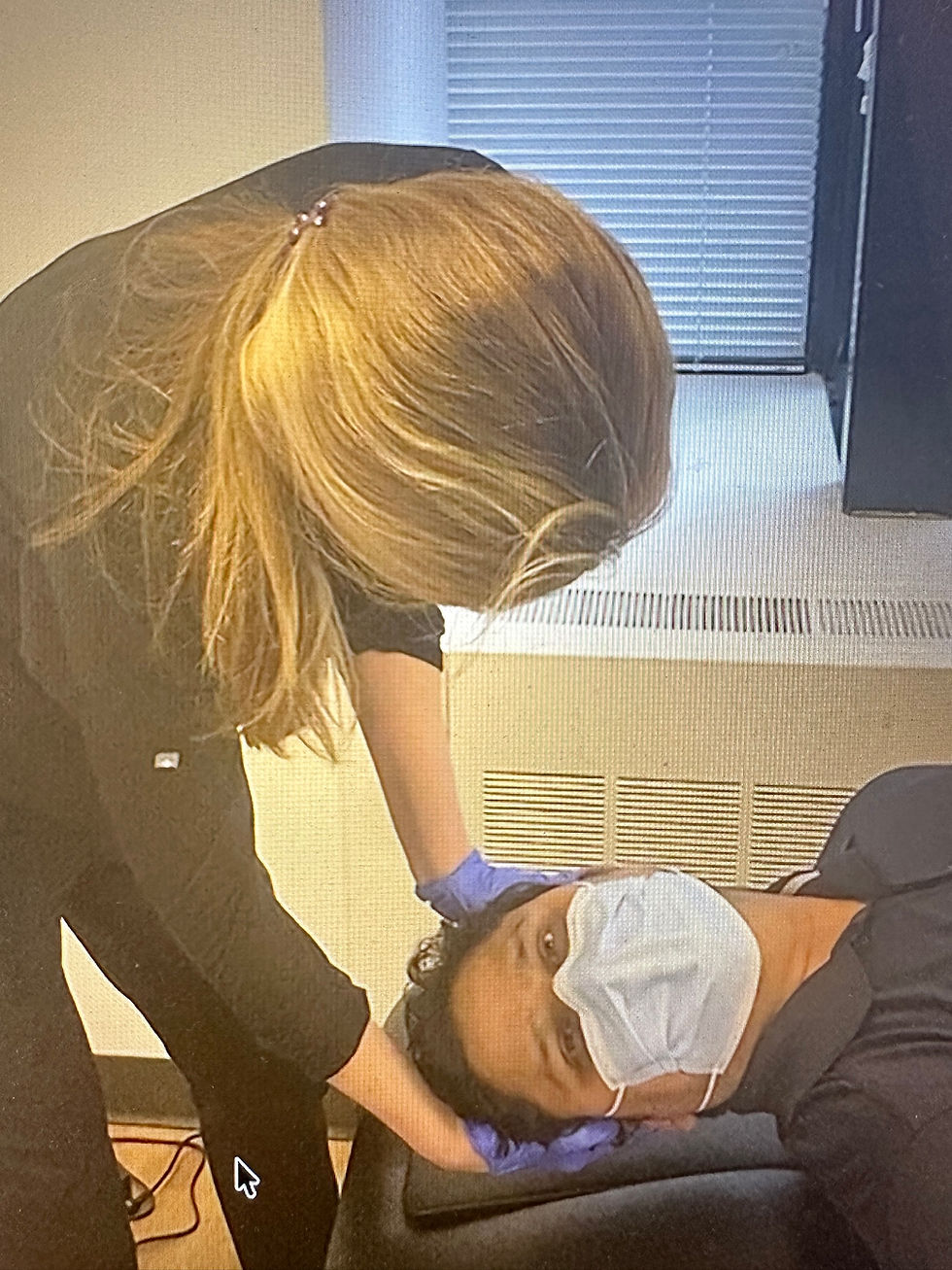
The Epley maneuver (canalith repositioning procedure) is the first-line treatment for posterior canal BPPV, endorsed by multidisciplinary clinical practice guidelines.¹⁷˒¹⁸ The key steps include extending the patient's head at least 20° below the horizontal plane and maintaining each position for at least 20 seconds.¹⁷
A meta-analysis of 4 RCTs (251 patients) reported that the Epley maneuver was associated with higher complete resolution of vertigo at 1 week compared with sham control (odds ratio, 7.19; 95% CI, 1.52-33.98; moderate certainty), with a number needed to treat of 3.¹⁷˒¹⁹ At 1 month, 5 RCTs (312 patients) reported that the Epley maneuver resolved BPPV in 88%-98% of patients vs 24%-77% of sham-treated controls.¹⁷ A Cochrane review of 11 RCTs (745 patients) confirmed the Epley maneuver as a safe and effective treatment.²⁰ The Semont maneuver is an alternative with comparable efficacy, classified as level 1 evidence, with success rates up to 95%.⁵
Self-treatment with the Epley maneuver can achieve comparable efficacy to expert-administered therapy in patients who have been diagnosed by a clinician and received in-person instructions.¹⁷ A randomized clinical trial of 585 patients demonstrated that web-guided self-diagnosis and treatment of recurrent BPPV achieved vertigo resolution in 72.4% of the treatment group vs 42.9% of controls who applied the maneuver based on their previous BPPV subtype.²¹
Pharmacological Management
The role of vestibular suppressant medications (antihistamines, benzodiazepines, anticholinergics) in vertigo management is limited and etiology-dependent.
For BPPV, both the American Academy of Neurology and the American Academy of Otolaryngology–Head and Neck Surgery guidelines discourage the routine use of vestibular suppressants.³˒¹⁸ Meclizine is not an effective treatment for BPPV and may cause unnecessary sedation.¹⁷ These medications interfere with central vestibular compensation and increase fall risk.¹ The American Geriatric Society recommends against using meclizine in older individuals due to anticholinergic side effects.³
A systematic review and meta-analysis found that single-dose antihistamines were more effective than single-dose benzodiazepines at reducing vertigo at 2 hours, but daily antihistamine use was not superior to placebo at 1 week or 1 month.² Benzodiazepines showed no benefit over placebo, and their use for acute vertigo should be discouraged.²
For vestibular neuritis, short-term use of vestibular suppressants (no longer than 3-5 days) may be reasonable to reduce acute symptoms, but longer use is discouraged because it inhibits physiological compensation.³
For Meniere disease, vestibular suppressants may be used for acute vertigo attacks, though evidence for their efficacy predates modern evidence-based standards.⁸ First-line oral therapies for Meniere disease include betahistine and diuretics, with intratympanic steroids and gentamicin reserved for uncontrolled symptoms.⁹
Vestibular Rehabilitation Therapy
Vestibular rehabilitation therapy (VRT) is a specialized exercise-based approach with moderate to strong evidence supporting its safety and efficacy for unilateral peripheral vestibular disorders.²² A Cochrane review demonstrated that VRT was more effective than control or no intervention (OR, 2.67; 95% CI, 1.85-3.86), with improvements in symptom reduction, gait, activities of daily living, balance, and quality of life.²² Positive effects were maintained at 3-12 months of follow-up.²²
For BPPV specifically, canalith repositioning maneuvers should be the primary intervention, but the best long-term outcomes involve a combination of repositioning maneuvers and vestibular rehabilitation.¹˒²² VRT serves as adjuvant therapy to promote functional recovery and reduce recurrence, particularly in elderly patients with residual postural instability after successful repositioning.¹⁸
All patients diagnosed with vestibular neuritis should be referred for vestibular rehabilitation therapy.³ VRT is also effective in postsurgical patients and patients with Meniere disease.²²
Vitamin D Supplementation and BPPV Recurrence Prevention
Emerging evidence supports a role for vitamin D in BPPV prevention. A meta-analysis of 60 studies (16,368 participants) found that serum vitamin D levels were significantly lower in patients with BPPV compared with controls (WMD = −2.84; 95% CI, −4.53 to −1.15), and even lower in recurrent BPPV groups (WMD = −5.01; 95% CI, −6.94 to −3.08).²³ Vitamin D supplementation was associated with significantly lower recurrence rates (RR = 0.45; 95% CI, 0.36-0.55).²³
A randomized controlled trial of 957 patients demonstrated that supplementation with vitamin D 400 IU and calcium carbonate 500 mg twice daily for 1 year significantly reduced BPPV recurrences (0.83 vs 1.10 recurrences per person-year; incidence rate ratio, 0.76; 95% CI, 0.66-0.87; NNT = 3.70).²⁴ The preventive effect was most prominent in patients with baseline serum vitamin D below 20 ng/mL.²⁴
Management of vitamin D deficiency should be considered in patients with frequent attacks of BPPV, especially when serum vitamin D is subnormal.²⁴˒¹
When to Seek Emergency Medical Attention
Patients presenting with vertigo should be evaluated urgently if they exhibit any of the following features:
- Acute vestibular syndrome with vascular risk factors (hypertension, diabetes, atrial fibrillation, prior stroke)
- Direction-changing nystagmus, negative head impulse test, or skew deviation on HINTS examination
- New-onset severe headache, diplopia, dysarthria, dysphagia, or limb weakness/numbness
- Loss of consciousness or altered mental status
- Acute hearing loss (which may indicate anterior inferior cerebellar artery infarction)
These features may indicate posterior circulation stroke, which can present with isolated vertigo in up to 36% of cases.¹⁵ Transient vestibular symptoms of unknown cause should be considered as potential vertebrobasilar TIA symptoms, especially in patients with vascular risk factors.¹⁴
Conclusion
Vertigo is a common but diagnostically challenging condition. The TiTrATE framework provides a systematic approach to evaluation. BPPV, the most common cause, is highly treatable with canalith repositioning maneuvers, while vestibular suppressant medications should generally be avoided. The HINTS examination is a powerful bedside tool for distinguishing peripheral from central causes in acute vestibular syndrome. Vestibular rehabilitation therapy has strong evidence supporting its use across multiple vestibular disorders. Vitamin D supplementation represents a promising strategy for reducing BPPV recurrence. Clinicians should maintain a high index of suspicion for posterior circulation stroke in patients with acute vertigo and vascular risk factors, as early MRI can be falsely negative and misdiagnosis carries significant consequences.
References
1. Rogers TS, Noel MA, Garcia B. Dizziness: evaluation and management. Am Fam Physician. 2023;107(5):514-523.
2. Hunter BR, Wang AZ, Bucca AW, et al. Efficacy of benzodiazepines or antihistamines for patients with acute vertigo: a systematic review and meta-analysis. JAMA Neurol. 2022;79(9):846-855. doi:10.1001/jamaneurol.2022.1858
3. Edlow JA, Carpenter C, Akhter M, et al. Guidelines for Reasonable and Appropriate Care in the Emergency Department 3 (GRACE-3): acute dizziness and vertigo in the emergency department. Acad Emerg Med. 2023;30(5):442-486. doi:10.1111/acem.14728
4. Filippopulos FM, Strobl R, Belanovic B, et al. Validation of a comprehensive diagnostic algorithm for patients with acute vertigo and dizziness. Eur J Neurol. 2022;29(10):3092-3101. doi:10.1111/ene.15448
5. Strupp M, Mandala M, Vinck AS, et al. The Semont-Plus maneuver or the Epley maneuver in posterior canal benign paroxysmal positional vertigo: a randomized clinical study. JAMA Neurol. 2023;80(8):798-804. doi:10.1001/jamaneurol.2023.1408
6. Walter K. What is benign paroxysmal positional vertigo? JAMA. 2026:2848120. doi:10.1001/jama.2026.2507
7. Kim HJ, Song JM, Zhong L, Yang X, Kim JS. Questionnaire-based diagnosis of benign paroxysmal positional vertigo. Neurology. 2020;94(9):e942-e949. doi:10.1212/WNL.0000000000008876
8. Basura GJ, Adams ME, Monfared A, et al. Clinical practice guideline: Ménière's disease. Otolaryngol Head Neck Surg. 2020;162(2suppl):S1-S55. doi:10.1177/0194599820909438
9. Raymond MJ, Vivas EX. Current and emerging medical therapies for dizziness. Otolaryngol Clin North Am. 2021;54(5):1037-1056. doi:10.1016/j.otc.2021.05.019
10. Gottlieb M, Peksa GD, Carlson JN. Head impulse, nystagmus, and test of skew examination for diagnosing central causes of acute vestibular syndrome. Cochrane Database Syst Rev. 2023;11:CD015089. doi:10.1002/14651858.CD015089.pub2
11. Gottlieb M, Peksa GD, Carlson JN. Head impulse, nystagmus, and test of skew examination for diagnosing central causes of acute vestibular syndrome. Cochrane Database Syst Rev. 2023;11:CD015089. doi:10.1002/14651858.CD015089.pub2
12. Xu W, Ling X, Chu H, et al. Using "HINTS family" to diagnose stroke in the acute vestibular syndrome: a systematic review and meta-analysis. Am J Emerg Med. 2026;99:192-200. doi:10.1016/j.ajem.2025.08.066
13. Edlow JA, Selim MH. Atypical presentations of acute cerebrovascular syndromes. Lancet Neurol. 2011;10(6):550-560. doi:10.1016/S1474-4422(11)70069-2
14. Kim HA, Oh EH, Choi SY, et al. Transient vestibular symptoms preceding posterior circulation stroke: a prospective multicenter study. Stroke. 2021;52(6):e224-e228. doi:10.1161/STROKEAHA.120.032488
15. Kim SH, Lee SU, Cho BH, et al. Analyses of head-impulse tests in patients with posterior circulation stroke and vestibular neuritis. Neurology. 2023;100(23):e2374-e2385. doi:10.1212/WNL.0000000000207299
16. Saber Tehrani AS, Kattah JC, Mantokoudis G, et al. Small strokes causing severe vertigo: frequency of false-negative MRIs and nonlacunar mechanisms. Neurology. 2014;83(2):169-173. doi:10.1212/WNL.0000000000000573
17. Kerber KA, Carender W, Meurer WJ. Diagnosis and treatment of benign paroxysmal positional vertigo. JAMA. 2026:2848127. doi:10.1001/jama.2026.1927
18. Bhattacharyya N, Gubbels SP, Schwartz SR, et al. Clinical practice guideline: benign paroxysmal positional vertigo (update). Otolaryngol Head Neck Surg. 2017;156(3suppl):S1-S47. doi:10.1177/0194599816689667
19. Khoujah D, Naples JG, Silva LOJE, et al. Epley maneuver for benign paroxysmal positional vertigo: evidence synthesis for Guidelines for Reasonable and Appropriate Care in the Emergency Department. Acad Emerg Med. 2023. doi:10.1111/acem.14739
20. Hilton MP, Pinder DK. The Epley (canalith repositioning) manoeuvre for benign paroxysmal positional vertigo. Cochrane Database Syst Rev. 2014;(12):CD003162. doi:10.1002/14651858.CD003162.pub3
21. Kim HJ, Kim JS, Choi KD, et al. Effect of self-treatment of recurrent benign paroxysmal positional vertigo: a randomized clinical trial. JAMA Neurol. 2023;80(3):244-250. doi:10.1001/jamaneurol.2022.4944
22. McDonnell MN, Hillier SL. Vestibular rehabilitation for unilateral peripheral vestibular dysfunction. Cochrane Database Syst Rev. 2015;1:CD005397. doi:10.1002/14651858.CD005397.pub4
23. Li Y, Gao P, Ding R, et al. Association between vitamin D, vitamin D supplementation and benign paroxysmal positional vertigo: a systematic review and meta-analysis. Front Neurol. 2025;16:1560616. doi:10.3389/fneur.2025.1560616
24. Jeong SH, Kim JS, Kim HJ, et al. Prevention of benign paroxysmal positional vertigo with vitamin D supplementation: a randomized trial. Neurology. 2020;95(9):e1117-e1125. doi:10.1212/WNL.0000000000010343

Comments